
What is the Psychology of Travel?
This is my ethos, my way of life, and it’s what motivates me to write books like 12 Jobs in 12 Months.
What does “The Psychology of Travel” mean? Is it some weird form of therapy? Am I a psychologist? The answer to these questions is NO, but I used to get mistaken for a therapist when I worked for a rehab clinic.
The psychology of travel is a means of preparing mentally for independent travel. It’s valid for students about to leave education and embark on the great journey of life, as well as older people stuck in jobs or worrying about what to do in retirement.
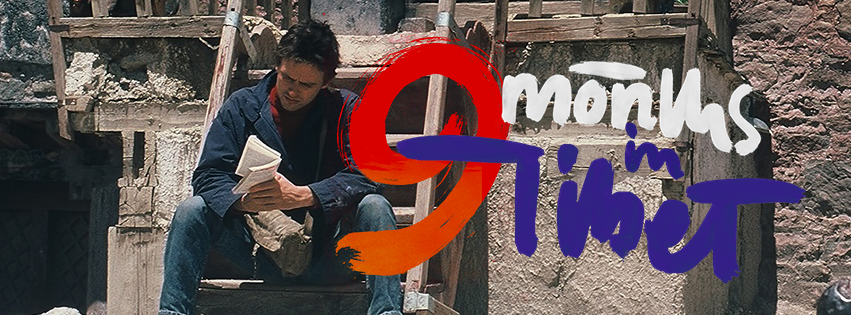
I think the psychology of travel the most important thing to do before embarking on a long journey. It took me years and I wrote about it in my first travel book, 9 Months in Tibet.
When travelling for up to a year, or leaving home, you need to prepare psychologically. This is very different from “normal” travelling when you know exactly where you’re going and for how long. When you go on holiday, or a short trip, you don’t need to make any internal changes to the way you approach life. But when travelling properly you need to have no deadline; you may be travelling indefinitely — or at least until you find a place that fits.
I developed the term after getting back from a trip to Thailand and India and suffering what is known as “culture shock”. Thailand had been so exotic and India so amazing that getting back to a grim and freezing homeland (Scotland) was really depressing. I also wanted to avoid what happened to me after that trip which was to become a pub bore on travelling in Asia, in fact that was why I started writing (to get the experiences out of my system and move on).
I went through a big learning curve after my first Asian trip and I really want to help people overcome the fear of travelling alone — which held me back for many years — share my experience of humility (which is essential for getting along with random strangers and also how to get jobs in foreign countries. My new book is called 12 Jobs in 12 Months and its aim is to help people realise that getting a job is easy if you have the right attitude.
Phases of Independent Travel
I think there are three phases of independent travel:
- Before – Mentally preparing for your journey into the unknown;
- During – The attitudes you need when you’re on the road;
- After – How to deal with the shock of coming home after a long time in somewhere totally different.
Each one of these phases is critical for the independent traveller: if you don’t learn how to “let go” of things at home you’ll never get away; if you don’t develop the right attitude towards people you’ll meet on the road you risk getting ripped off; and if you don’t prepare for the psychological shock of coming home you could end up in a depression.
If you want to travel independently you’ll need to develop a series of skills that will help you to cruise through these challenges, but like any new skills you need to practice them.
When I first wanted to travel independently I had three big problems: fear, no cash and no source of inspiration. I overcame my fear by a series of near-death experiences, all described in my Tibet book; I earned cash by driving a truck (and realised that earning money was the easiest problem to overcome); and I found inspiration by reading Bruce Chatwin and Ryszard Kapuscinski.
If you need inspiration to get up and go you might like the following articles, all of which have been written for people who want to start travelling independently (or escape from home):
Sources of Inspiration for future travellers
- I wrote this article – 10 Skills for Independent Travellers – for students considering a gap year, retired folk and people who feel trapped in a job.
- This one has suggestions about how to “practise”: Improve Your Travel Skills on Weekends and Holidays
- This is an important skill: How to Adapt to Foreign Cultures
- And the big question: Did Cannabis Help me Write and Travel?
- There’s a lot of really bad travel writing around (and most travel journalism is just PR for the travel industry), so I wrote an article about an exception book/author: What’s the best travel book?
- And finally, a skill I think is essential for a great experience: The Beauty of Getting Lost
Get in Touch
I set up this blog to inspire people to travel independently, find work and get into their creative groove. That’s what I’ve been doing for the last 40 years — travelling, working and writing. I’m keen to write more articles about the psychological issues around travel, so I’d be very grateful if you would suggest a topic you’d like to learn more about. You can suggest a new topic, and experience or insight, by leaving a comment below this article.
First published in 2021, revised and updated in 2026.
#thepsychologyoftravel
“I define independent travel as travelling alone, for long periods, with an open mind, a sense of trust and a thirst for discovering some of the mysteries in this world.”
Rupert Wolfe Murray