Protected: What’s the Best Travel Book?
Password Protected
To view this protected post, enter the password below:

To view this protected post, enter the password below:
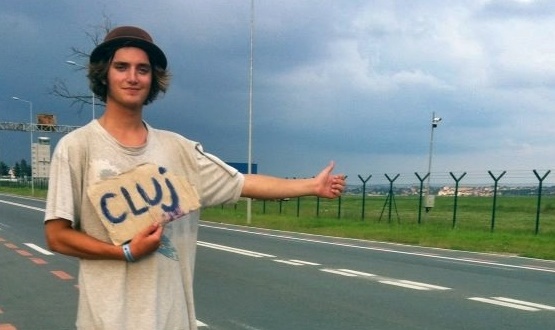
Fear of travelling alone was a real problem for me. As soon as I got out of the suffocating grip of university I planned to escape, to travel to the other side of the world, to travel alone for years and to find a job somewhere in Shanghai. Trouble was that I had never travelled for more than a day on my own, and even then it was always en-route to visiting someone, and the idea of doing this for months seemed impossible – and scary. (more…)
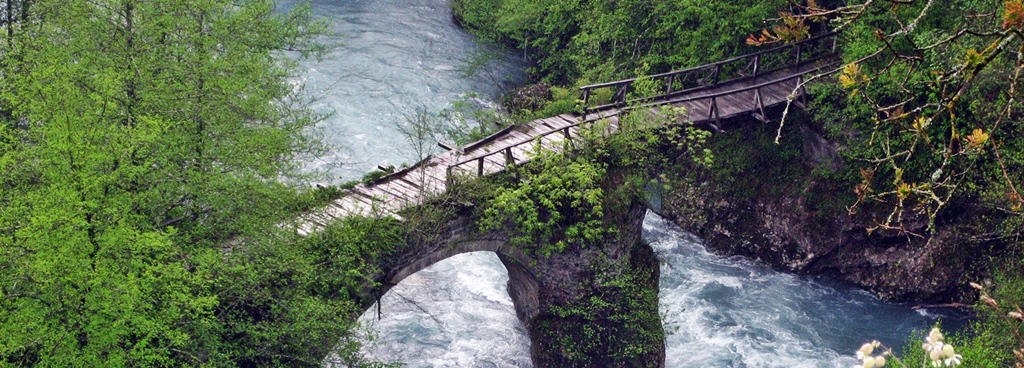
Here is a story about how to get a grant.
When I was in Montenegro recently I checked into a small guest house and asked if they had internet. “Of course we do” boomed the big cheery lady who runs the place, but when I tried to get online it didn’t work. I asked for help and she went to fetch the Siberian who was living with his wife on the floor below. “He knows English” she cried as she hurried down the frozen stone steps. (more…)
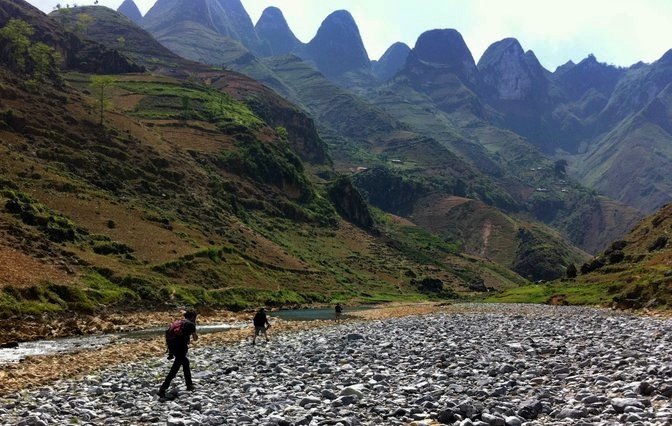
Riding a Belorussian motorbike, teaching English, avoiding expats, enjoying the crazy street life in Hanoi…Luke Dale-Harris describes his life while working in Vietnam.
When I was 22 – not very long ago – I joined an odd, small but growing wave of migration. It involved a few thousand people a lot like me: young, mostly middle class Brits who had recently graduated from university to find ourselves in the middle of a recession, with no job, few prospects and little to go on but a degree in something arty, a head full of modernist literature and a strong sense of entitlement. So, on the back of a few pub conversations, I moved to Vietnam. (more…)
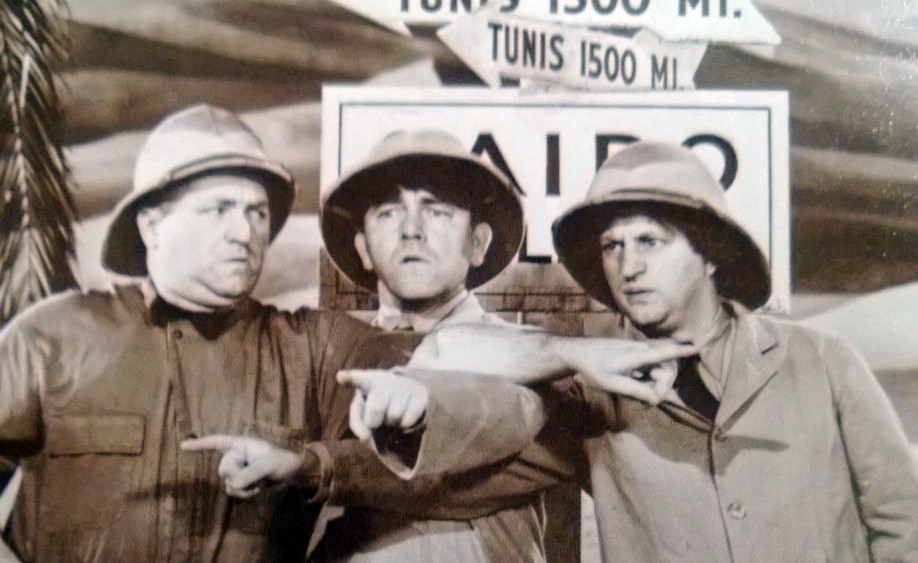
Getting lost in an unknown location is central to my approach to travel. If you have a sense of faith (“everything’s going to be okay”) and are not liable to panic, getting lost can result in discovering wonderful things and meeting new people.
There’s also a delicious irony in the fact that after all that planning, saving and struggling to get away the best thing you can do when you arrive is get lost. This is what management gurus would say is “counter-intuitive” (i.e. it doesn’t make sense) and I’d like to explain.
I called this article The Beauty of Getting Lost because, in my experience, the most incredible places I found on my travels were by chance, often the result of wandering aimlessly or being lost. In my book 9 Months in Tibet I describe various places I came across by chance. When I stumbled across an incredible building or landscape that I didn’t know about I would feel as if I had personally discovered it, resulting in a great sense of achievement.
I used to feel sorry for those poor souls who would turn up at an ancient monument with their guidebooks and a pencil, ticking off the location on their checklist. Many travelers never feel that wonderful sense of mystery and surprise that is, for me, the best part of travel, by researching too much and making lists of places to visit – and then feeling frustrated that they couldn’t visit everywhere on their list. I like to arrive in a location in a state of ignorance and I don’t want to know what the main sites are – I plan to get lost, ask around and see where fate takes me.
But getting lost is actually a lot harder than you might think. On the one hand all you have to do is wander aimlessly in a new city, without a map, and – hey presto – you’re lost. The problem is that we tend to cling to our plans, our maps, our checklists and above all our fears – of getting lost, being alone, getting robbed – and it’s very hard to let go of these props.
After all we’ve grown up in a society where good planning is one of the highest attributes – surely an essential requirement for independent travel. Any long journey does require these skills, especially for the first part – getting away – but once you get to where you’re going you can “let go” as the Buddhists say and go out without a map.
The best way to practice the art of getting lost is to wander aimlessly in your own city: just head out in a particular direction and walk until you get lost. If you walk for an hour in your city you will surely come across some interesting places. I remember doing this in Romania and finding a vast rubbish dump the size of a hill and a monastery that that had been built 500 years ago and immediately destroyed by the Turks who considered it too much like a fortress. You can see a picture of my discovery here.
I’d be really interested to know your experiences of getting lost. Please add a comment below.
Photo Credit: The Three Stooges (film)